Wall Insulation System Using EIFS
Summary of application
Step 1: Application of Base plaster of Ressi PlastoRend 120 over masonry surface.
Step 2: Application of EPS sheet over base plastered surface with the use of Ressi Insufix 200.
Step 3: Application of fiber glass mesh over the EPS Board using Ressi Insufix 200.
Step 4: Finishing the surface.
Detailed description
Insulation is the most effective way to improve the energy efficiency of a home, commercial or an industrial space. Insulation of the building envelope helps keep heat in during the winter, but also lets’ heat out and cooling inside the structure during summer. If a structure is properly insulated it can easily save up to 60 ~ 70% in heating and cooling costs after installation.
An un-insulated structure is subject to considerable winter heat losses and summer heat gains. Ressichem has a variety of products that can use used for the insulation of a roof. The following system describes a Wall insulation system comprising od EPS sheets also known as EIFS (External insulation finishing system).
Step 1: Application of Base plaster of
Ressi PlastoRend 120 over masonry
surface.
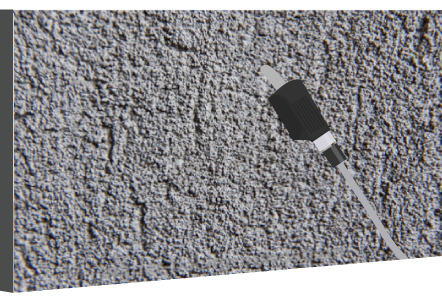
The base masonry surface should be levelled and straightened out using a base grey plaster. Ressi PlastoRend 120 can also be used to level the wall surface. Make sure proper protocol for the application of base plaster is followed. (Please refer to our base plaster guide for further information on how to apply proper base plaster)
Step 2: Application of EPS sheet over
base plastered surface with the use of
Ressi Insufix 200.
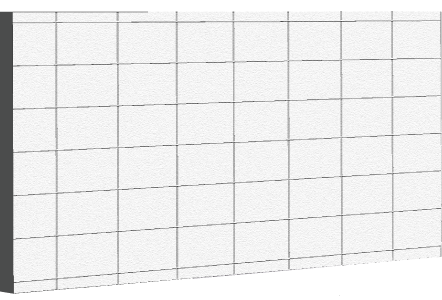
Once the base plaster has been properly applied and cured, EPS sheets are to be applied using a compatible adhesive of Ressi Insufix 200. It is essential to lay the mortar of Ressi Insufix 200 at a thickness of minimum 8mm in a notched trowel formation and place the EPS over the wet mortar. For further mixing guidelines, and application techniques, please refer to the product technical data sheet. It is essential to make sure that the EPS sheet is properly pressed over the mortar not leaving any hollow space for air. The recommended minimum thickness of the EPS sheet should be at least 2 inches and should have a minimum density of 32 KG / m³. It is also highly recommended to use a flame-retardant EPS sheet. There should not be very wide gaps between the EPS sheets, the sheets be placed as close of each other as possible.
Step 3: Application of fiber glass mesh
over the EPS Board using Ressi Insufix
200.
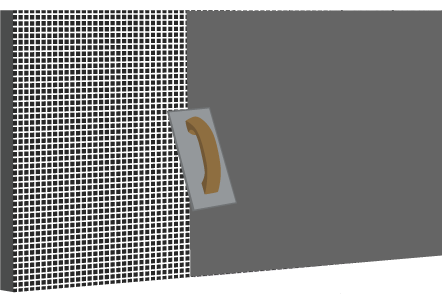
Once the EPS sheets are properly applied over the base plastered surface, a Fiber glass mesh is applied over the EPS sheet using Ressi Insufix 200. It is recommended to completely overlap the mortar of Ressi Insufix 200 over the Fiber Glass mesh so that both mesh and EPS board are covered with the mortar. It is recommended to lay the Insufix mortar to at least 2mm over the fiberglass mesh surface.
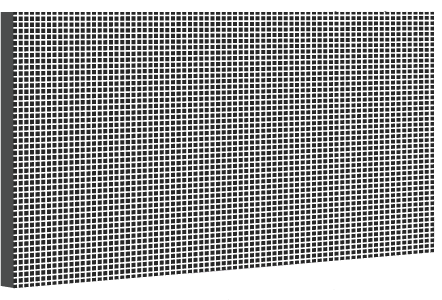
Step 4: Finishing of the surface.
The ideal recommended finishing material to be used with the EIFS system is
Ressi PlastoRend 110
(Pigmented decorative plaster) protected with
Silblock
(Water Repellent Sealer). Please refer to the application guide for decorative plasters for further information.
Incase there is a requirement of finishes like paints etc.,
Paint Guard 10,000 C
can also be applied over the EPS surface treated with fiberglass mesh and
Ressi Insufix 200. Other finishes like stones, marble, granite and other texture coatings and treatments can also be used for the finishing of the EIFS system.
Application Animation
Wall Insulation system using EPS Sheets (EIFS - External Insulation Finishing System)
Explainer Video
Wall Insulation System using EPS Sheets (EIFS - External Insulation Finishing system) #Insulation
Concept Video
Related Videos
Insulaster insulation and flame retardant premix plaster #thermalInsulation #cool #fireresistance

Insulaster | A Heat Insulated Plaster | Heatproof Plaster | Ressichem

Application Demo of Foam Concrete by Ressichem

Wall Insulation System EPS Sheets and Insulation Plaster (EIFS External Insulation Finishing System)